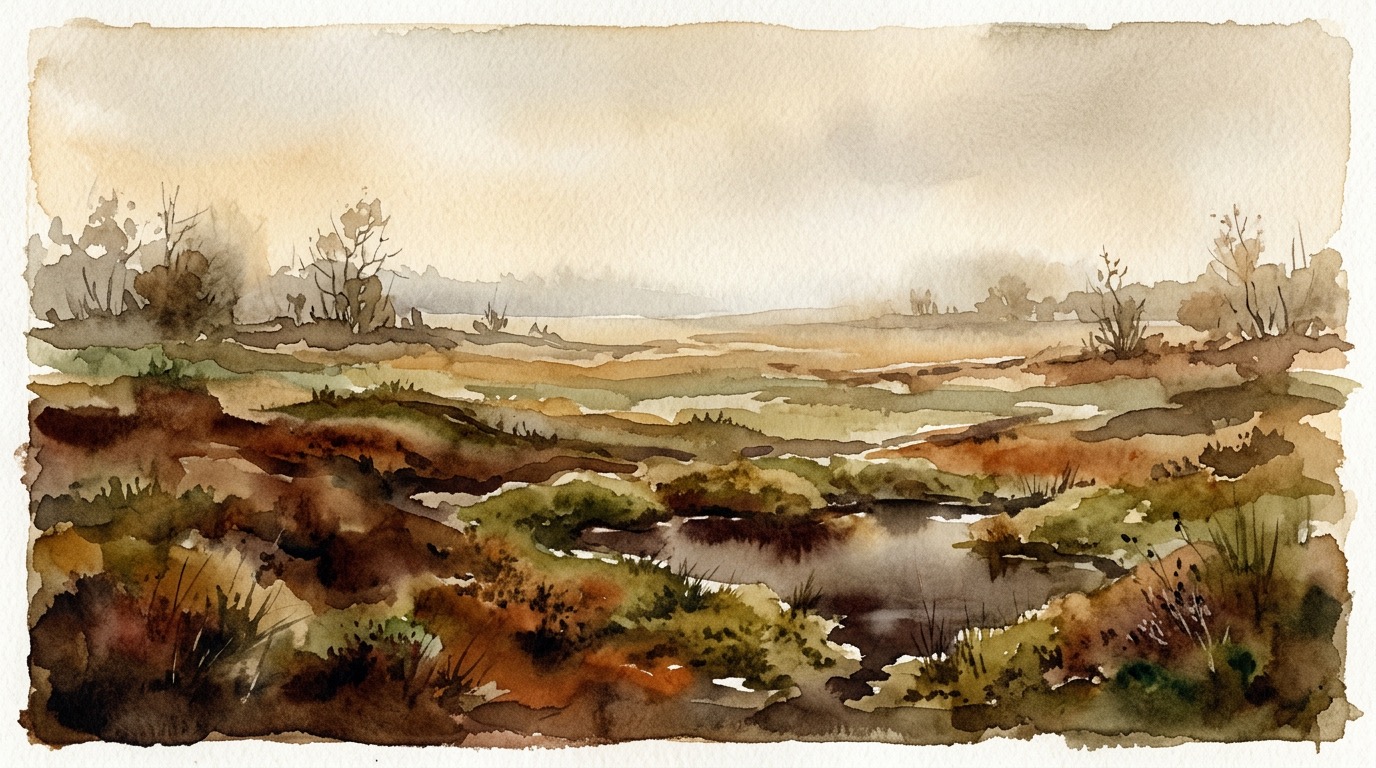
Walk into any garden store and pick up a bag of "potting mix" or "multipurpose compost." Chances are it is mostly peat. Peat is the compressed remains of sphagnum moss and other plants that have been accumulating in bogs for thousands of years. It is light, moisture-retentive, and slightly acidic — exactly what most vegetables prefer.
The environmental problem
Peat bogs are one of the most effective carbon stores on Earth. A single metre of peat took centuries to form. Mining it for potting soil releases that stored carbon as CO₂ and destroys the bog habitat. Peat bogs also support rare plant and animal species found nowhere else.
The problem is large: global peat extraction releases roughly the same amount of CO₂ each year as several small countries combined.
What changes in your garden
If you are already using peat-based soil, the watering model in this app accounts for it — peat holds moisture well but drains slowly as it dries out, so the "bag soil" setting adjusts the forecast accordingly.
You do not need to change anything immediately. But if you are buying new potting mix this season, it is worth looking at the alternatives.
Alternatives that work well
Bark compost is the most common peat substitute. It is slightly coarser and drains faster, but retains moisture well once established. Works for most vegetables.
Coir (coconut fibre) is a by-product of coconut processing. It has excellent moisture retention, is very light, and is naturally resistant to compaction. It can be slightly alkaline, so test pH if growing acid-loving plants.
Wood fibre is produced by breaking down wood chips. It has good structure and is peat-free. Often used as a component mixed with other materials.
Certified peat-free mixes are increasingly available and labelled clearly. Quality varies by brand; look for mixes specifically designed for vegetables or raised beds.
None of these require changes to how you water. The model will work correctly as long as you select the right soil type setting.